

Dating after divorce or the loss of a partner can feel both hopeful and overwhelming. Many women describe a mix of longing for connection, fear of being hurt again, guilt, uncertainty, and pressure, often all at once.
These reactions are not signs of emotional unavailability or weakness; they are natural responses to relational loss. Therapy can help women approach dating not as a rushed return to partnership, but as a grounded, intentional process rooted in healing and self-trust.
Why Dating After Loss Feels Different
Divorce and widowhood fundamentally change how safety, intimacy, and commitment are experienced. Even when the previous relationship was painful, its ending represents the loss of a shared future, identity, and emotional anchor.
Common experiences include:
- Fear of repeating past mistakes
- Heightened sensitivity to rejection or abandonment
- Emotional numbness or guardedness
- Guilt about “moving on,” especially after widowhood
- Uncertainty about what feels safe or desirable now
- Pressure from others, or oneself, to date before feeling ready
These responses are not obstacles to dating; they are signals that care and healing matter.
There Is No “Right Timeline” for Dating Again
One of the most harmful myths surrounding dating after divorce or loss is that there is a correct timeline for readiness. In reality:
- Some women feel open to dating relatively quickly
- Others need extended time to grieve, stabilize, and rebuild
- Readiness may come in waves rather than all at once
Therapy helps women tune into their own emotional signals rather than external expectations. Dating from a place of readiness, rather than avoidance or pressure, creates a healthier foundation for connection.

Therapy Helps Clarify Readiness and Intentions
Relationship therapy can help women explore important questions such as:
- Am I dating to avoid loneliness or to build genuine connection?
- What have I learned about my needs, boundaries, and attachment patterns?
- What red flags am I more aware of now?
- What does emotional safety look like for me today?
This clarity reduces the likelihood of repeating unhelpful patterns and increases confidence in dating decisions.
Rebuilding Trust With Yourself First
After relational loss, many women struggle not only with trusting others, but with trusting their own judgment. Therapy supports women in:
- Reconnecting with intuition and emotional cues
- Identifying boundaries without guilt
- Recognizing compatibility versus chemistry
- Tolerating vulnerability without self-abandonment
When self-trust is strengthened, dating becomes less anxiety-driven and more values-based.

Navigating Grief While Dating
For widowed women especially, dating can bring up complex emotions such as grief resurgence, loyalty conflicts, or fear of diminishing the love that was lost. Therapy provides space to:
- Honor the ongoing bond with a deceased partner
- Normalize mixed emotions about new connection
- Address guilt without rushing or shutting down
- Integrate past love into a present-oriented life
Healthy dating does not require forgetting or replacing what was lost.
Attachment Patterns Often Re-Emerge in Dating
Dating tends to activate attachment systems, sometimes intensely. Therapy helps women notice patterns such as:
- Over-attaching early or feeling anxious between dates
- Pulling away when intimacy increases
- People-pleasing or minimizing needs
- Emotional shutdown or hyper-independence
Understanding these patterns allows women to respond with awareness rather than self-criticism.
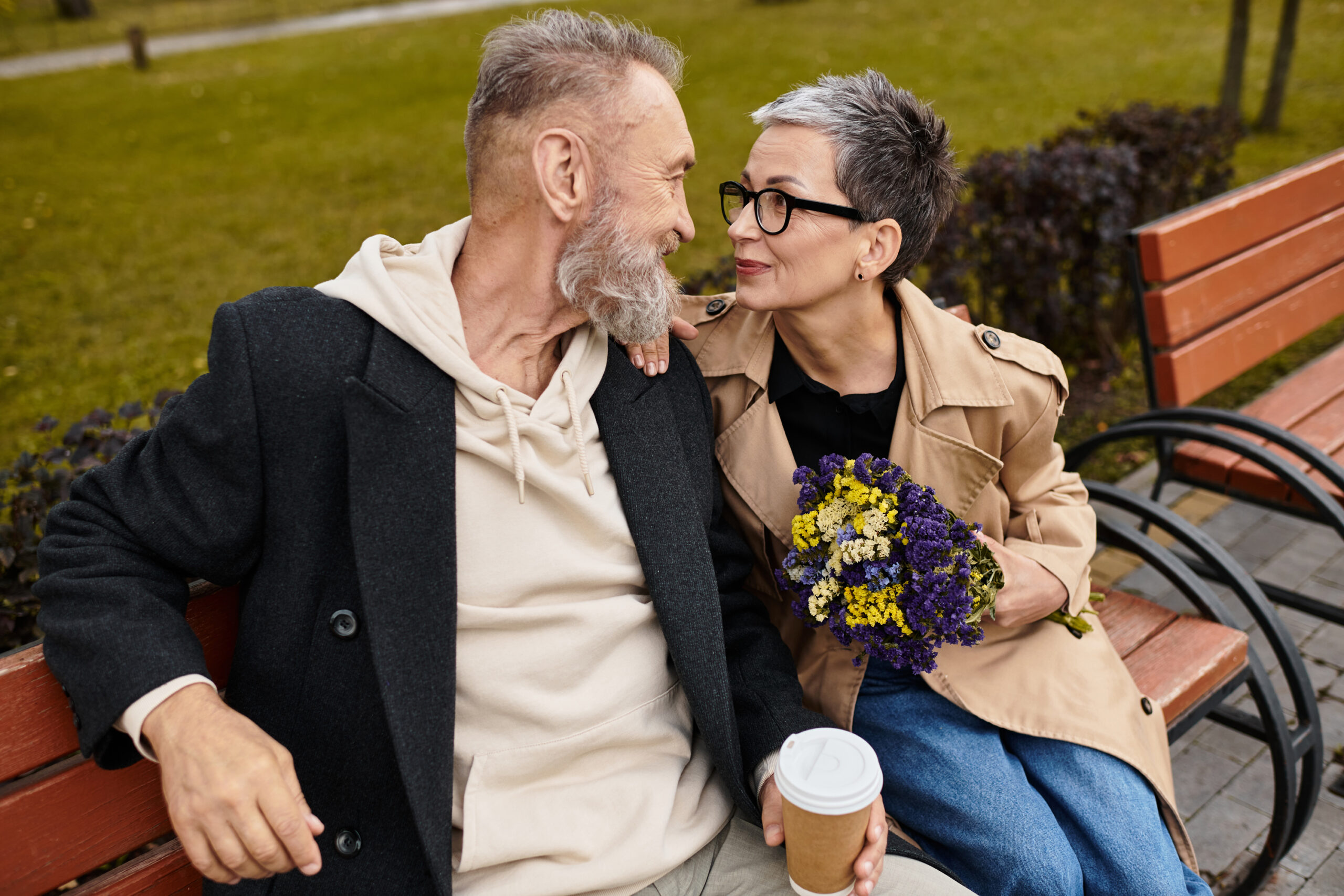
Dating as a Process, Not a Performance
Therapy reframes dating away from pressure and self-evaluation and toward curiosity and discernment. Women learn that dating can be:
- A way to practice boundaries
- An opportunity to notice emotional responses
- A space to choose alignment rather than prove worth
- A process of learning, not a test to pass
This mindset reduces burnout and emotional exhaustion.
Support Makes Dating Healthier, Not Weaker
Seeking therapy while dating does not mean someone is “not ready.” In fact, therapy often enhances readiness by providing:
- Emotional regulation tools
- Reality testing and perspective
- Support after disappointing experiences
- Reinforcement of values and self-respect
Dating is inherently relational, and relational support matters.
Moving Forward With Intention and Compassion
Dating after divorce or loss is not about returning to who you were before. It is about moving forward as someone who has been shaped by love, loss, resilience, and growth.
With the support of therapy, women can approach dating with clarity, emotional safety, and confidence, honoring the past while remaining open to meaningful connection in the present.